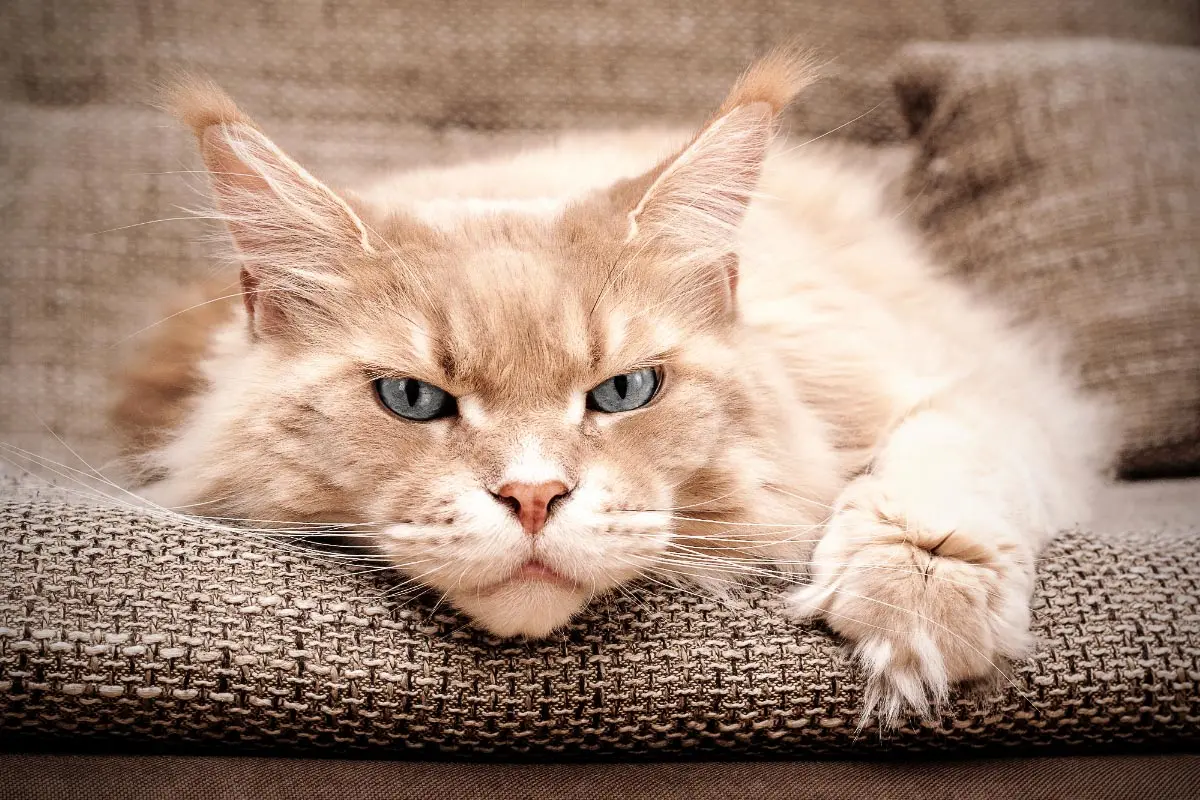
Cats Can Experience Depression, Experts Warn
Recognizing the Signs: What
A growing number of veterinarians are alerting cat owners that feline depression is a real and treatable condition. Recent studies and clinical observations confirm that cats can suffer from mood disorders, though the signs differ markedly from those seen in humans.
Latest news
 Rescue Dog Shows Gratitude to Every Person Helping Her Heal
 Family Adopts Terminally Ill St. Bernard After Her Human Passes Away
 Neighbors Take Action After Town Ignores Abused Dog
 Retired Firefighter Reunited with Lost Dogs During Live Interview
Veterinary specialists explain that depression in cats often presents as changes in behavior, appetite, grooming, and social interaction. Unlike human depression, which may involve feelings of sadness or hopelessness, a cat’s symptoms can be subtle or mistaken for other health problems. This overlap means owners must be vigilant and consult a professional when unusual changes arise.
Causes and Treatment: Why Cats Suffer and How
Owners should look for a sudden loss of interest in play or grooming, a noticeable drop in appetite, or increased lethargy. A cat that normally licks its fur may become aloof, and a once playful companion may retreat to a single room. Vocalization patterns can shift; a typically quiet cat may begin to meow more frequently or, conversely, may become unusually silent. Physical signs such as weight loss or changes in litter box habits can also indicate underlying mood issues.
Veterinarians emphasize the importance of ruling out medical causes before diagnosing depression. Conditions like hypothyroidism, urinary tract infections, or dental disease can mimic depressive behavior. A thorough physical exam, blood work, and sometimes imaging are required to exclude these possibilities. Once medical causes are ruled out, behavioral specialists can assess for stressors such as recent changes in the household, loss of a companion, or exposure to loud noises.
What Happens If Depression Is Ignored?
The root causes of feline depression are varied. Social isolation, lack of stimulation, and chronic pain all contribute to mood disturbances. Environmental factors—such as moving to a new home or the introduction of a new pet—can trigger anxiety and depressive episodes. Additionally, aging cats may experience cognitive decline, leading to confusion and withdrawal.
Treatment plans are individualized. For mild cases, increasing environmental enrichment—providing interactive toys, window views, and safe climbing spaces—can improve mood. Owners may also benefit from routine play sessions to encourage activity. In more severe situations, veterinarians may prescribe medications such as selective serotonin reuptake inhibitors, which help regulate mood. Behavioral therapy, often involving gradual reintroduction to stressors and positive reinforcement, can also be effective.
# Frequently Asked Questions
Preventive measures are crucial. A stable routine, regular veterinary check-ups, and early intervention when changes occur can reduce the likelihood of depression. Owners are encouraged to maintain a consistent feeding schedule, provide ample opportunities for play, and ensure their cat has a safe, quiet retreat for rest.
Untreated depression can lead to a decline in overall health. Cats may develop secondary conditions such as obesity or malnutrition. Chronic stress can weaken the immune system, making them more susceptible to infections. In extreme cases, persistent depression can result in self‑harm behaviors, such as over‑grooming or aggression. Early recognition and treatment not only improve quality of life but also prolong lifespan.