
Cat Once Called „Zombie Cat” Finds a New Home and a Better Name
From „Zombie” to Liv: The Power of Compassionate Care
Liv, a six‑year‑old domestic shorthair, arrived at the Butler County Humane Society in early June after weeks of surviving as a stray. Shelter staff were immediately struck by her gaunt, hollow‑eyed stare and a mouth that seemed permanently twisted, earning her the grim nickname „Zombie Cat.” Within days, volunteers recognized her gentle temperament and began the process of giving her a fresh start.
Latest news
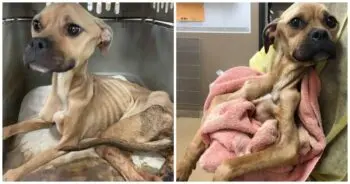 Rescue Dog Shows Gratitude to Every Person Helping Her Heal
 Family Adopts Terminally Ill St. Bernard After Her Human Passes Away
 Neighbors Take Action After Town Ignores Abused Dog
 Retired Firefighter Reunited with Lost Dogs During Live Interview
Liv’s unusual appearance stemmed from severe dental disease and a long‑standing respiratory infection that left her with a sunken jaw and a rasping cough. Veterinarians at the shelter performed a full health assessment, discovering multiple missing teeth, gum inflammation, and a chronic lung condition likely caused by years of exposure to outdoor hazards. After a course of antibiotics, dental cleaning, and a special diet, Liv’s health improved dramatically, and her once‑grim expression softened. „When we first saw her, we thought she’d never trust anyone,” said shelter manager Carla Jennings. „But once we treated her pain, she started to purr and even nudged a toy mouse toward us.”
The transformation began with a simple act of kindness. A volunteer named Mark Rivera noticed Liv’s reluctance to eat and offered her a bowl of warm chicken broth. The cat drank eagerly, a sign that her appetite was returning. Over the next two weeks, staff administered regular dental cleanings and prescribed a low‑dose anti‑inflammatory medication. Liv’s weight increased by 1.2 pounds, and her breathing steadied. „She went from being a shadow in the corner to the star of our adoption room,” Rivera recalled. The shelter’s social media team shared before‑and‑after photos, prompting an outpouring of support from the community. Within a month, Liv was adopted by a family in nearby Overland Park, who chose to keep her new name, a nod to the Latin word for „life.”
Can a Cat’s Second Chance Inspire Broader Change in Animal Welfare?
Liv’s story highlights the often‑overlooked plight of stray cats with hidden health issues. According to the American Veterinary Medical Association, up to 30 % of feral cats suffer from dental disease, yet many never receive treatment. Shelters that invest in comprehensive medical care see higher adoption rates and lower return rates. „When we address the root causes of a cat’s suffering, we not only save lives but also change public perception,” Jennings explained. The Butler County Humane Society plans to expand its dental health program, aiming to treat at least 200 stray cats annually. Liv’s successful adoption serves as a tangible example that early intervention can turn a „zombie” image into a story of resilience.
Liv now enjoys a quiet life with her new family, who report that she spends her days lounging in sunny windows and playfully chasing feather toys. The shelter continues to monitor her health through regular check‑ups, ensuring that her second chance remains a lasting one. Her journey from a neglected stray to a beloved pet underscores the impact of timely veterinary care and community compassion.
Frequently Asked Questions
What caused Liv’s „zombie” appearance? Severe dental disease and a chronic respiratory infection gave Liv a sunken jaw and a hollow stare, which led volunteers to nickname her „Zombie Cat.”
How did the shelter treat her condition? Veterinarians performed dental cleanings, treated infections with antibiotics, and provided a special diet and anti‑inflammatory medication to improve her overall health.
What can other shelters learn from Liv’s story? Investing in comprehensive medical care, especially dental health, can dramatically improve a stray’s quality of life and increase adoption prospects.