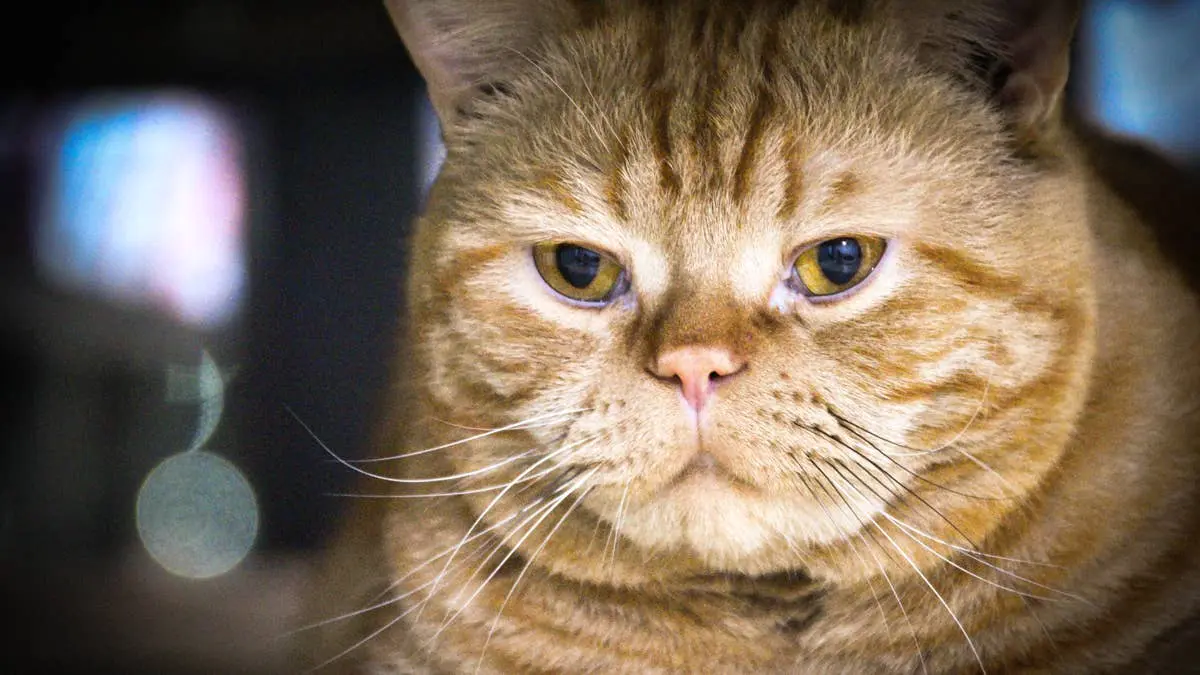
Bruce Willis Finds Forever Home After Being Labeled Shelter’s „Saddest” Cat
A Turnaround Fueled by Patience and Care
A formerly depressed tomcat known as Bruce Willis was adopted from a local animal shelter last month. The FIV‑positive cat had been showing signs of melancholy when a shelter volunteer met him and decided to bring him home, ending his days of isolation.
Latest news
 Rescue Dog Shows Gratitude to Every Person Helping Her Heal
 Family Adopts Terminally Ill St. Bernard After Her Human Passes Away
 Neighbors Take Action After Town Ignores Abused Dog
 Retired Firefighter Reunited with Lost Dogs During Live Interview
Bruce spent weeks in a cramped kennel, his ears drooping and his eyes listless. Staff noticed his lack of appetite and the way he would stare at the fence, as if waiting for a chance to escape. When a volunteer named Maria Alvarez visited the shelter, she was drawn to his forlorn demeanor. After a brief health check confirmed his FIV status but no other serious issues, she arranged to adopt him, hoping a stable environment would lift his spirits.
Maria set up a quiet room with soft blankets, a heated pad, and a variety of toys. She introduced a gradual feeding schedule and spent evenings sitting beside him, speaking in a calm voice. Within days, Bruce began to purr continuously, a stark contrast to his earlier silence. „He would curl up on my lap and never stop purring,” Maria said. „It was as if he finally felt safe enough to express his joy.” Veterinarians confirmed that while FIV can cause immune challenges, it does not necessarily diminish a cat’s capacity for affection when given proper care. Bruce’s health improved, his weight stabilized, and his previously dull coat regained a glossy sheen.
Can a Shelter Cat Really Overcome Depression?
Experts say that environmental enrichment and consistent human interaction can dramatically improve a cat’s mood, even for those labeled „depressed.” Dr. Lena Patel, a feline behaviorist, explained that cats are highly sensitive to stressors such as noise, lack of privacy, and irregular routines. „When those stressors are removed, many cats exhibit rapid behavioral changes,” she noted. Bruce’s story illustrates how a stable home can counteract the emotional toll of shelter life, especially for cats coping with chronic conditions like FIV.
Bruce’s transformation has inspired other shelter volunteers to look beyond a cat’s initial presentation. Maria now advocates for more individualized assessments rather than quick judgments based on appearance. „Every cat deserves a second chance,” she emphasized, encouraging potential adopters to consider cats with special needs.
The adoption has also sparked conversations about FIV awareness. While some potential owners shy away from FIV‑positive cats, organizations stress that with proper veterinary care, these cats can lead full, happy lives. Bruce’s new family plans to keep him indoors, provide regular health check‑ups, and continue his enrichment routine, ensuring his newfound happiness endures.
Frequently Asked Questions
What does FIV mean for a cat’s health? Feline Immunodeficiency Virus weakens the immune system, making cats more vulnerable to infections. With regular veterinary care and a stress‑free environment, many FIV‑positive cats live normal lifespans.
How can I tell if a shelter cat is depressed? Signs include loss of appetite, lethargy, excessive hiding, and lack of vocalization. Observing a cat over several days and providing gentle interaction can help assess its emotional state.
Is it safe to adopt a cat with FIV? Yes, provided you keep the cat indoors to prevent disease spread and follow a veterinarian’s guidance on health monitoring. FIV does not transmit to humans.