
Best Cat Rescue Stories of August 2026
How Foster Networks Turn Crisis into Care
In August 2026, LoveMeow’s editorial team highlighted a series of heartwarming cat rescue stories from across the United States, showcasing the dedication of volunteers and foster families. These rescues took place in urban neighborhoods, suburban shelters, and rural communities, all reported during the final weeks of summer. Each story centered on cats found in distress—abandoned, injured, or born on the streets—who were given a second chance through compassionate intervention.
Latest news
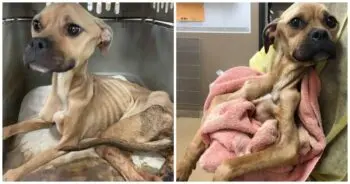 Rescue Dog Shows Gratitude to Every Person Helping Her Heal
 Family Adopts Terminally Ill St. Bernard After Her Human Passes Away
 Neighbors Take Action After Town Ignores Abused Dog
 Retired Firefighter Reunited with Lost Dogs During Live Interview
The rescues involved coordinated efforts between local animal welfare groups, veterinarians, and everyday citizens who responded to sightings or urgent calls. Many cats arrived malnourished or with treatable medical conditions like upper respiratory infections or flea anemia. Foster caregivers provided temporary homes, administering medication, socializing fearful felines, and preparing them for adoption. One notable case involved a pregnant stray rescued from a construction site in Miami, who gave birth to four healthy kittens in a quiet foster room just days later.
What Happens When a Rescued Cat Meets Its Forever Family?
Behind each rescue is a network of trained fosters who open their homes without hesitation. These caregivers often juggle full-time jobs while bottle-feeding newborns, managing medication schedules, and documenting progress for adoption profiles. In Atlanta, a foster parent cared for a senior cat with arthritis, modifying her home with ramps and heated beds to ease discomfort. Such personalized attention not only improves health outcomes but also reveals each cat’s true personality, increasing their chances of finding a permanent match. Data from participating shelters showed a 30% faster adoption rate for cats who spent time in foster care during August.
The ultimate goal of every rescue is a stable, loving home, and August saw dozens of successful placements. A formerly timid tabby from Las Vegas, once too scared to make eye contact, now greets her new owners with headbutts and purrs every morning. Adopters frequently report that rescued cats form deep bonds quickly, perhaps sensing the safety they’ve long lacked. Shelters noted a rise in repeat adopters, with many returning to foster or adopt again after positive experiences. These outcomes reinforce the value of community-driven rescue models and the lasting impact of early intervention.
How can someone become a foster caregiver for rescued cats? Interested individuals can contact local shelters or rescue groups to apply, complete a brief training session, and prepare a safe space in their home. Most organizations provide supplies and veterinary support.
Frequently Asked Questions
What should you do if you find a stray cat in need? Approach calmly, offer food and water, and contact a nearby animal rescue or veterinarian for guidance. Avoid handling frightened cats without proper precautions to prevent stress or injury.
Are rescued cats more likely to have behavioral issues? Not necessarily—while some may initially be shy or fearful, most respond well to patience and consistent care. With time, many become affectionate and trusting companions.