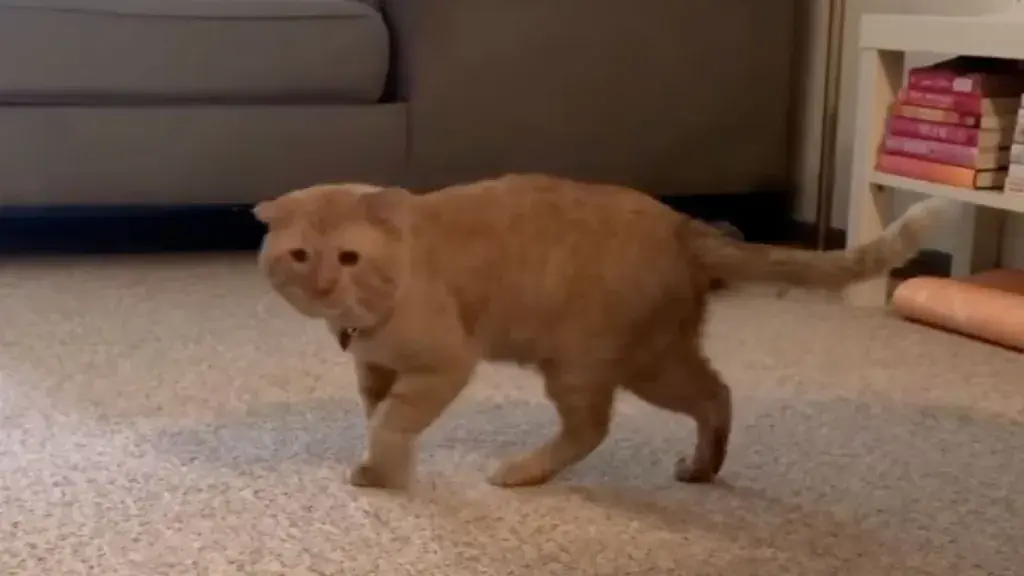
Adopted Cat Transforms From Shelter Sadness to Constant Companion
How a Stable Home Changed Bruce’s Behavior
A once-despondent shelter cat named Bruce has found joy and security after being adopted, as shown in a viral Instagram video. The footage, shared by user @mrwillisthecat, captures the feline’s dramatic shift from withdrawn shelter resident to affectionate shadow of his new human. The heartwarming clip highlights how a stable home environment can dramatically improve an animal’s demeanor and behavior.
Latest news
 Rescue Dog Shows Gratitude to Every Person Helping Her Heal
 Family Adopts Terminally Ill St. Bernard After Her Human Passes Away
 Neighbors Take Action After Town Ignores Abused Dog
 Retired Firefighter Reunited with Lost Dogs During Live Interview
Bruce spent an extended period at the shelter, where staff noted his unusually subdued nature, often describing him as the „saddest” resident due to his lack of interaction and reluctance to engage. His adoption marked a turning point, with his new owner reporting immediate changes in his temperament. Within days, Bruce began following his human from room to room, seeking physical closeness and displaying behaviors previously unseen in the shelter setting.
The transformation observed in Bruce underscores the profound impact that adoption can have on shelter animals, particularly those who have experienced prolonged stress or uncertainty. Animal behavior experts note that cats in shelters often develop anxiety-related withdrawal, which can mask their true personalities. Once removed from that environment and placed in a consistent, nurturing home, many felines begin to reveal their natural sociability and affection. Bruce’s case exemplifies this shift, as his new owner describes him now as a „cuddly little shadow” who constantly seeks companionship.
What Does This Mean for Other Shelter Cats?
Bruce’s story raises important questions about the potential hidden in every shelter animal, regardless of their initial demeanor. It suggests that behaviors interpreted as disinterest or sadness may instead be reactions to stressful surroundings rather than inherent traits. This insight encourages potential adopters to look beyond first impressions and consider giving overlooked animals a chance to thrive in a supportive setting. Shelters often emphasize that animals like Bruce, who may appear less adoptable due to quiet or reserved behavior, frequently become the most devoted companions once they feel safe.
The video has resonated widely online, drawing attention to the emotional lives of shelter pets and the quiet transformations that occur after adoption. While Bruce’s journey is individual, it reflects a broader truth about animal resilience and the healing power of companionship. His ongoing bond with his owner serves as a reminder that patience and understanding can unlock deep connections between humans and animals who have faced hardship.
Frequently Asked Questions
How long was Bruce at the shelter before being adopted? The source does not specify the exact duration of Bruce’s stay at the shelter, only noting that he had been there for an extended period and was regarded by staff as one of the most subdued residents.
Why did Bruce appear so sad in the shelter? Bruce’s withdrawn behavior was likely a response to the stressful and unpredictable nature of shelter life, which can cause cats to become anxious, inactive, or unresponsive as a coping mechanism.
Can other shelter cats show similar changes after adoption? Yes, many cats who seem withdrawn or uninterested in shelters often become affectionate and engaged once adopted, as a safe and stable home allows their true personalities to emerge.