A Shelter Cat’s Tale of Loss and Hope
The Hidden Costs of Pet Ownership
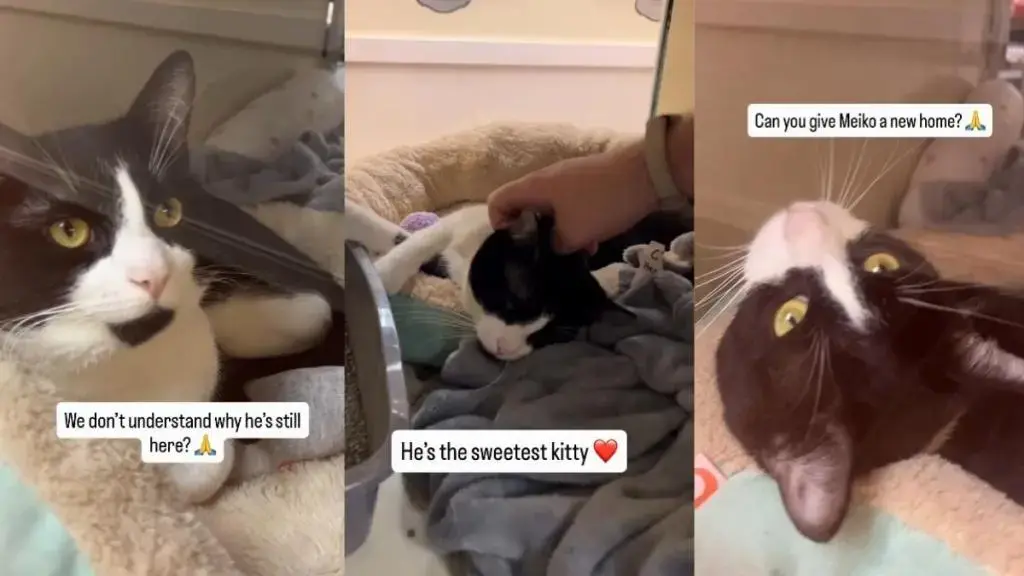
A young cat named Meiko was once a cherished gift, only to be surrendered to a shelter after a brief ownership period. The story, shared on Instagram by user @humanebroward, highlights the emotional toll of pet abandonment and the challenges shelters face in rehoming animals.
Latest news
 Walmart's Festive Cat Tree Features Reindeer Antlers and Gold Star Topper
 Healthy Pumpkin Treats for Dogs: 7 Top Picks
 Anthropologie’s Clear Acrylic Pet Gate Keeps Pets Out Without Ruining the Room
 5 Best Peanut Butter Dog Treats
Meiko was given to a new owner as a present, but the relationship quickly soured. The owner, who never disclosed their name, decided to give the cat away after a few weeks. The cat was taken to a local animal shelter, where it now waits for a new family. The post on Instagram shows Meiko looking forlorn, surrounded by the shelter’s typical environment of cages and bedding.
The video and accompanying caption explain that the cat’s new caretaker had no prior experience with pets and felt overwhelmed. They admitted that they were not prepared for the responsibilities of caring for a feline companion. The owner’s decision to surrender Meiko reflects a broader issue of pet owners underestimating the commitment required to care for animals.
Pet ownership demands time, money, and emotional investment. Many people acquire animals without fully understanding the long‑term responsibilities involved. In Meiko’s case, the owner’s lack of preparation led to the cat’s surrender. Shelters often bear the brunt of these decisions, providing medical care, food, and a safe environment while awaiting adoption. The emotional impact on animals is significant, as they must adjust to new surroundings and the uncertainty of finding a permanent home.
How Can We Reduce Pet Surrenders? (What Steps Are Needed?)
Shelters rely on public support and volunteer efforts to manage the influx of surrendered pets. The story of Meiko underscores the need for better education on responsible pet ownership and the importance of community resources that help prospective owners make informed decisions.
Many shelters are exploring solutions to prevent unnecessary surrenders. Some programs offer free or low‑cost training classes for new pet owners, teaching basic care, behavior management, and health maintenance. Others partner with veterinary clinics to provide discounted medical services. By providing these resources, shelters aim to keep pets in their original homes and reduce the number of animals that end up waiting in cages.
Community outreach also plays a crucial role. Local animal welfare groups organize workshops and informational sessions to raise awareness about the realities of pet ownership. These initiatives help potential owners understand the commitment required and reduce the likelihood of future surrenders.
Frequently Asked Questions
The outcome for Meiko remains uncertain. While shelters strive to match animals with suitable families, the process can take months. In the meantime, Meiko continues to wait, hoping for a miracle that will bring him into a loving home.
What can people do to prevent pet surrenders? Prospective owners should research the specific needs of the animal, attend training classes, and consider their lifestyle before adopting. Responsible ownership starts with preparation and ongoing support.
How do shelters support surrendered pets? Shelters provide medical care, food, shelter, and socialization. They also run adoption programs, fostering networks, and community outreach to find permanent homes for animals.
What happens if a pet is surrendered to a shelter? The animal is placed in a safe environment, receives necessary veterinary care, and is listed for adoption. If no family is found, the shelter may consider rehoming through foster homes or, in some cases, euthanasia if the animal’s health or safety is at risk.
Content written by Ritika Singh for galore-pets.com editorial team, AI-assisted.