
5 Signs Your Cat Couldn't Care Less About Anything You Say
Experts suggest that felines assess safety and comfort before deciding how to
Many cat owners experience moments when their feline companions seem completely indifferent to their presence or words. Unlike dogs, which often seek constant interaction and approval, cats operate on their own terms, guided by strong instincts and a deep-rooted independence. This behavior can leave humans feeling ignored or unimportant, even when they’re trying to connect. Cats are naturally solitary hunters, and their social structure differs significantly from pack animals like dogs. They communicate primarily through body language, scent marking, and subtle vocalizations rather than overt displays of affection or obedience. What might look like disinterest is often just a cat expressing itself in ways humans don’t always recognize—such as slow blinking, tail positioning, or choosing to sit nearby without direct engagement. Why Cats Appear Aloof Even When They’re Not A cat’s apparent lack of response doesn’t necessarily mean it doesn’t care.
Latest news
 Rescue Dog Shows Gratitude to Every Person Helping Her Heal
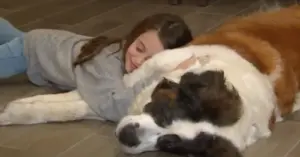 Family Adopts Terminally Ill St. Bernard After Her Human Passes Away
 Neighbors Take Action After Town Ignores Abused Dog
 Retired Firefighter Reunited with Lost Dogs During Live Interview
Experts suggest that felines assess safety and comfort before deciding how to interact. If a cat feels secure in its environment, it may choose to observe rather than engage, a behavior rooted in survival instincts. Additionally, cats have shorter attention spans for human-directed actions unless those actions involve food, play, or something that directly benefits them. Their independence also stems from evolutionary traits—domestic cats retain many behaviors of their wild ancestors, who relied on stealth and self-sufficiency. This means they’re less likely to perform for praise or react to scolding in the way dogs might.
Instead, they respond best to consistency, routine, and positive reinforcement
Instead, they respond best to consistency, routine, and positive reinforcement tied to their own interests. How Can You Tell If Your Cat Is Actually Listening? Signs that your cat is paying attention—even if it doesn’t show it overtly—include ear twitching toward your voice, slowing its blink rate when you make eye contact, or following you from room to room without demanding interaction. These subtle cues indicate awareness and trust, even when the cat chooses not to respond vocally or physically. Building a stronger bond involves respecting the cat’s boundaries while offering opportunities for connection on its terms. Play sessions using wand toys, quiet time near you without pressure to interact, and rewarding calm behavior with treats can all encourage more engagement over time. Patience is key—forcing interaction often leads to withdrawal. Frequently Asked Questions Why does my cat ignore me when I call its name?
Cats may not respond to their names because they haven’t associated the sound with a reward or consequence. Unlike dogs, they don’t instinctively seek human approval, so they only respond when they expect something in return, like food or affection. Is it normal for my cat to stare at me without blinking? A steady stare can be a sign of curiosity or assessment, not aggression. In cat communication, a slow blink is actually a sign of trust—often called a „cat kiss.” If your cat stares and then slowly blinks, it’s likely feeling safe and affectionate. Can training make my cat more responsive? Yes, but it requires understanding feline motivation. Using treats or play as rewards during short, consistent sessions can teach cats to respond to cues. However, success depends on respecting their limits and avoiding punishment, which can damage trust.