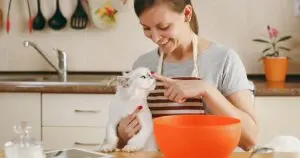
5 Homemade Cat Treat Recipes You Can Make in 30 Minutes
Quick and Fresh: How to Keep Treats Nutritious
A cat owner in Portland, Oregon, discovered five simple recipes that can be prepared at home in under half an hour. The dishes use common pantry items and are designed to satisfy a feline's taste buds while keeping vet-approved ingredients in mind. The recipes are easy enough for beginners and quick enough for busy households.
Latest news
 Rescue Dog Shows Gratitude to Every Person Helping Her Heal
 Family Adopts Terminally Ill St. Bernard After Her Human Passes Away
 Neighbors Take Action After Town Ignores Abused Dog
 Retired Firefighter Reunited with Lost Dogs During Live Interview
These treats are ideal for rewarding good behavior or simply giving your cat a tasty snack. They require minimal prep, no special equipment, and can be made in batches that last a week. The focus is on fresh, natural flavors rather than processed fillers.
The first recipe uses plain canned tuna, a spoonful of plain yogurt, and a pinch of dried parsley. Mixing the ingredients and shaping them into small balls, the cat can lick or chew without any added sugar. The second recipe blends mashed pumpkin with oat flour and a dash of cinnamon, creating a soft, chewy bite that promotes digestive health. The third option mixes cooked chicken breast, shredded carrots, and a touch of low-sodium broth, then forms the mixture into patties that can be baked at 350°F for five minutes. The fourth recipe relies on a single boiled egg, a sprinkle of dried rosemary, and a small amount of whole wheat flour, folded into a dough that is cut into thin strips and baked until crisp.
Can Homemade Treats Replace Commercial Options?
Finally, the fifth treat combines unsalted peanut butter, a tablespoon of honey, and a handful of rolled oats, rolled into a ball and chilled until firm.
Veterinary nutritionists emphasize that homemade treats should not exceed 10% of a cat’s daily caloric intake. They also recommend avoiding garlic, onions, and excessive salt. By using the suggested ingredients, pet owners can offer treats that are safe, flavorful, and supportive of overall health.
Many pet parents wonder whether homemade snacks can stand in for store‑bought treats. The answer is yes, provided the recipes are balanced and free from harmful additives. Homemade options allow owners to control the source of proteins, eliminate artificial dyes, and tailor the texture to a cat’s preference. However, homemade treats lack the standardized nutrient profiles of commercial products, so they should complement a balanced diet rather than replace it. Regular check‑ups with a veterinarian can help ensure that a cat’s nutritional needs are met.
The long‑term impact of homemade treats is positive when used responsibly. Cats that enjoy fresh, natural flavors may be less inclined to overeat processed snacks. Pet owners can experiment with different textures—soft, chewy, or crunchy—to keep their feline companion engaged. As the pet‑food industry evolves, more people are turning to home recipes for confidence in what their cats consume.
Frequently Asked Questions
What should I do if my cat shows signs of intolerance to a new treat? If your cat vomits, has diarrhea, or stops eating after a new treat, discontinue use immediately and consult a veterinarian. Some cats may be sensitive to certain proteins or grains.
Can I freeze these treats for future use? Yes, most recipes can be frozen in airtight containers for up to two weeks. Thaw before serving to maintain texture and flavor.
Do I need to add any supplements to homemade treats? No supplements are required if the treats are part of a balanced diet. However, if you are concerned about specific nutrients, discuss with your vet before adding any supplements.