
Raw Pet Food Recall Issued for Salmonella and Listeria Risks
Bacterial Threats in Frozen Diets
Northwest Naturals has initiated a voluntary recall of two specific raw pet food batches. This action follows recent laboratory testing by the U. S. Food and Drug Administration. The agency detected harmful bacterial contamination within the samples. The recall was officially announced on August 28, 2026. It targets consumers who purchased these items recently. Pet owners should check their pantries immediately. The affected products are frozen raw recipes intended for cats and dogs.
Latest news
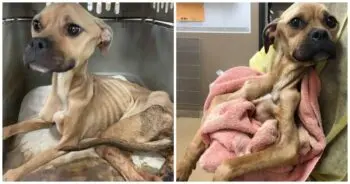 Rescue Dog Shows Gratitude to Every Person Helping Her Heal
 Family Adopts Terminally Ill St. Bernard After Her Human Passes Away
 Neighbors Take Action After Town Ignores Abused Dog
 Retired Firefighter Reunited with Lost Dogs During Live Interview
The FDA identified two distinct pathogens in the recalled lots. These include Salmonella and Listeria monocytogenes. Both bacteria can cause serious illness in humans and animals. The first affected item is a frozen chicken recipe. It is marketed primarily as cat food. However, it also serves as a protein topper for dogs. The second product is another raw formulation from the same brand. Specific lot numbers were provided in the official notice. Consumers must verify these codes against their packaging. Do not feed these products to pets until confirmed safe.
How Owners Can Verify Their Products
The presence of Listeria monocytogenes is particularly concerning for raw diets. This bacterium can survive in cold temperatures. It thrives in the freezer conditions where raw pet food is stored. Salmonella poses similar risks for gastrointestinal distress. Symptoms may appear days or weeks after consumption. Pets might experience vomiting, diarrhea, or lethargy. Human handlers should wash their hands thoroughly after touching the food. Cross-contamination in kitchen surfaces is a common issue. Freezing does not kill these bacteria. It only slows their growth. Therefore, proper handling remains critical for safety.
Pet owners need to locate the lot code on their packages. This code is usually printed on the label. Compare it against the list released by the manufacturer. If the code matches, stop feeding the product immediately. Contact the company for a refund or replacement. Keep the packaging for reference during the process. Do not discard the food until you receive instructions. This helps the company track the distribution path. Check both the cat food and dog topper varieties. Ensure all pets in the household are monitored closely.
Which specific products are included in this recall? The recall covers one lot of the Frozen Chicken Recipe for cats and dogs. It also includes one lot of another raw formulation. Owners should check the specific lot numbers listed in the official notice.
Frequently Asked Questions
What symptoms should I watch for in my pet? Look for signs of gastrointestinal upset such as vomiting or diarrhea. Lethargy and loss of appetite are also common indicators. Consult a veterinarian if symptoms persist beyond twenty-four hours.
How long do these bacteria remain dangerous? Salmonella and Listeria can persist in frozen conditions indefinitely. They do not die simply through freezing. Proper cooking or pasteurization is required to eliminate the risk.