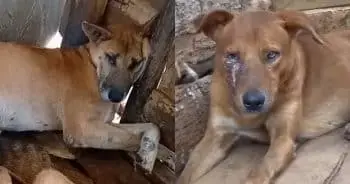
Injured Dogs Exploited in Online Scam
The Mechanics of Deception
An investigation uncovered a disturbing scheme in Uganda. Fake animal shelters allegedly used injured dogs to deceive donors worldwide. The operation centered in Mityana, exploiting compassion for financial gain. A new documentary details the alleged animal exploitation.
Latest news
 Rescue Dog Shows Gratitude to Every Person Helping Her Heal
 Family Adopts Terminally Ill St. Bernard After Her Human Passes Away
 Neighbors Take Action After Town Ignores Abused Dog
 Retired Firefighter Reunited with Lost Dogs During Live Interview
The investigation reveals a network of fabricated rescues. These groups posted images and videos of suffering dogs online. They aimed to solicit donations from sympathetic individuals. Money intended for care never reached the animals. Instead, it reportedly funded personal expenses.
The shelters presented a facade of legitimate animal welfare. They showcased severely injured and malnourished dogs. These images evoked strong emotional responses from potential donors. Social media platforms became key tools in the scam. Organizers skillfully crafted narratives of rescue and rehabilitation.
Investigators found evidence of staged photos and videos. Dogs were intentionally harmed or neglected to amplify their suffering. This manipulation maximized the emotional impact on viewers. The documentary highlights how the groups fabricated stories about veterinary care. They claimed to provide treatment, but often offered little to no actual medical attention.
Could Better Oversight Have Prevented This?
„It’s a calculated and cruel exploitation of people’s kindness,” stated an investigator involved in the case. „They preyed on genuine empathy, turning compassion into profit.” The scale of the operation is still being determined. Authorities believe numerous dogs were subjected to abuse.
The lack of regulatory oversight contributed to the problem. Uganda has limited laws regarding animal welfare and charitable organizations. This allowed the fake shelters to operate with impunity. Donors had no way to verify the legitimacy of the groups. Many relied solely on emotional appeals presented online.
The documentary raises questions about the responsibility of social media platforms. Critics argue they should implement stricter vetting processes. This could help identify and remove fraudulent accounts. Increased transparency regarding donation tracking is also needed. Donors deserve to know where their money is going.
Frequently Asked Questions
The consequences for those involved could be severe. Ugandan authorities are pursuing criminal charges against the alleged organizers. The investigation is ongoing, and more arrests are expected. The future for the rescued dogs remains uncertain. They require extensive medical care and rehabilitation. This incident serves as a stark warning about online charity scams. It emphasizes the importance of due diligence before donating to any organization.
How can donors ensure their money reaches legitimate animal shelters? Research the organization thoroughly before donating. Look for established charities with transparent financial records. Verify their registration with relevant authorities and check independent charity review websites.
What steps are being taken to protect animals in Uganda? Authorities are working to strengthen animal welfare laws. They are also increasing oversight of charitable organizations. Rescue groups are collaborating to provide care for the dogs impacted by the scam.
Is it possible to report suspected fraudulent animal shelters online? Yes, report suspicious activity to the social media platform. You can also contact local authorities or animal welfare organizations. Provide any evidence you have gathered, such as screenshots or account information.